

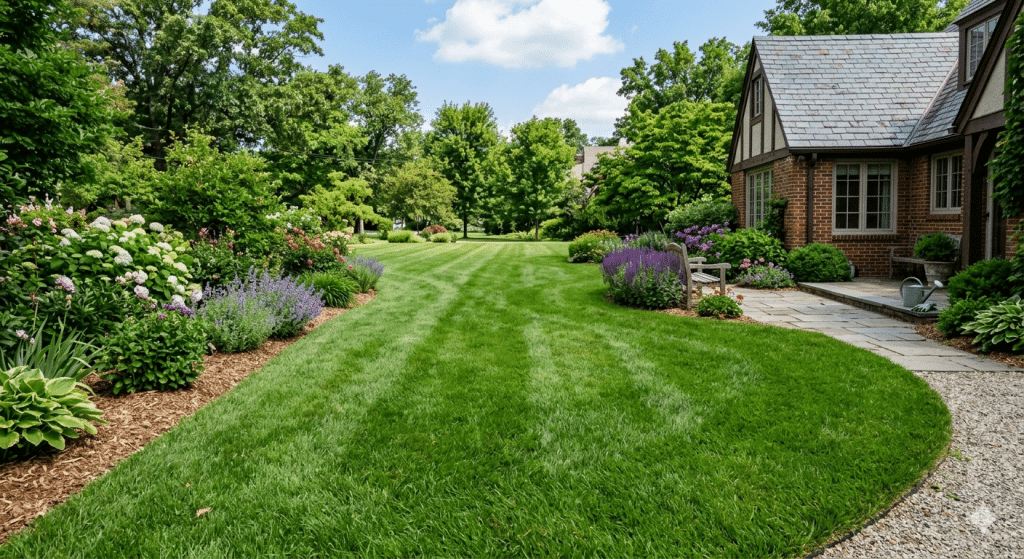
Keeping your lawn looking great between mowing sessions comes down to consistent watering, timely fertilization, weed management, and a few targeted habits that take less than 15 minutes a week. In New Orleans, where heat and humidity put extra pressure on turf, these steps make the difference between a lawn that fades between cuts and one that looks great all week long.
Mowing is the most visible part of lawn care, but it only happens once every one to two weeks. What you do in between those cuts has a bigger impact on your lawn’s overall health than the cut itself.
This guide covers the seven most effective actions you can take between mowing sessions to keep your New Orleans lawn thriving through every season.
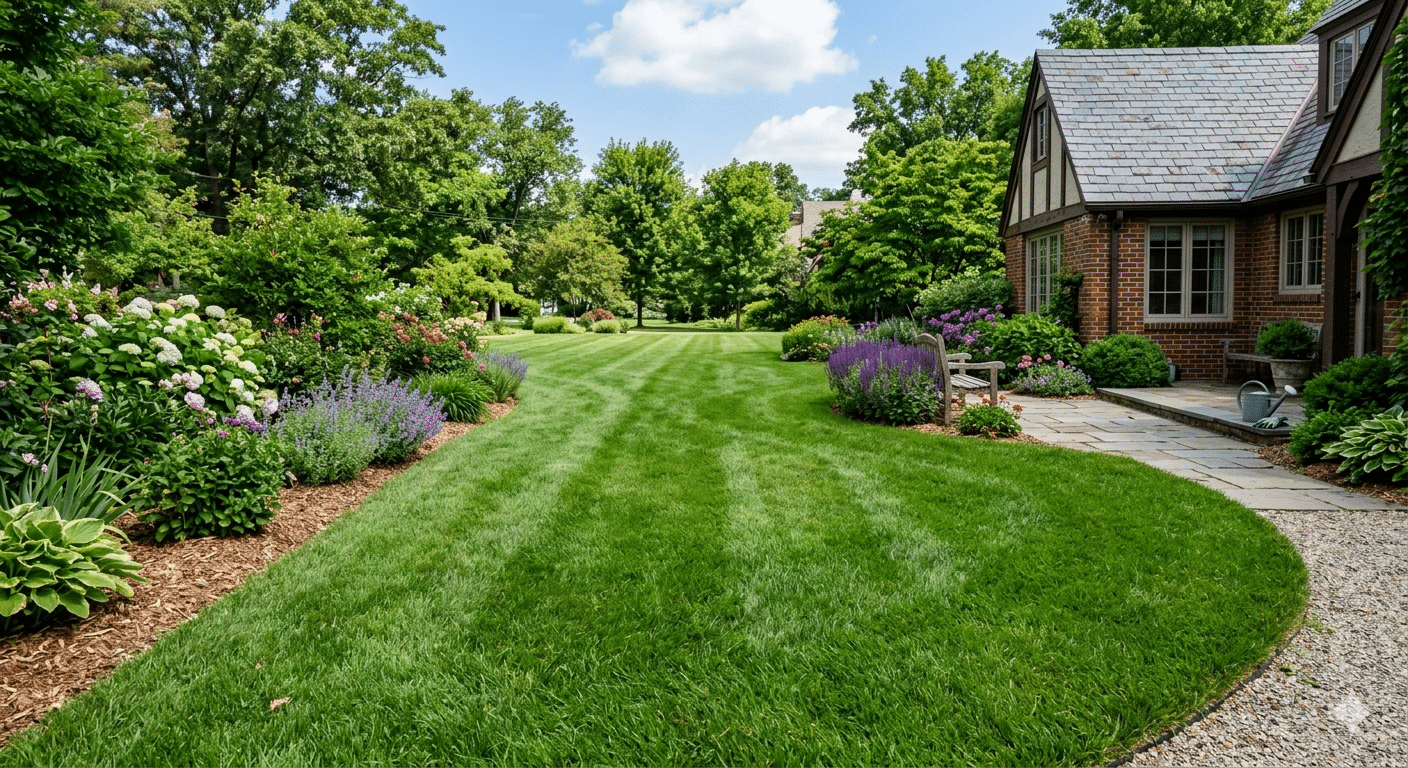
Water Deeply, Not Daily
The most common between-mow mistake New Orleans homeowners make is watering too frequently and too lightly. Short daily watering trains grass roots to stay shallow, making your lawn more vulnerable to heat and drought stress.
Instead, water deeply one to two times per week, delivering about 1 inch of water per session. Deep watering pushes moisture down 6 to 8 inches into the soil, encouraging roots to follow. Deeper roots mean a more drought-tolerant and resilient lawn.
Best Time to Water in New Orleans
Water between 6 a.m. and 10 a.m. so blades dry before nightfall. Wet grass overnight creates the warm, humid conditions that invite brown patch fungus, which is one of the most destructive lawn diseases in South Louisiana.
New Orleans averages over 60 inches of rainfall per year, so check soil moisture before you irrigate. If the soil is still moist 3 inches down, skip that session. Overwatering after rain is one of the top causes of root rot and fungal problems in local lawns.
Stay on Top of Weeds Between Cuts
Weeds do not wait for your mowing schedule. Dollar weed, crabgrass, nutsedge, and clover can establish and spread significantly in the days between cuts, especially in Louisiana’s warm, wet growing season.
- Spot-treat actively growing weeds with a post-emergent herbicide as soon as you see them. Small weeds are far easier to kill than established ones.
- Maintain the correct mowing height for your grass type. Taller grass shades the soil and prevents weed seeds from getting the sunlight they need to germinate.
- Apply pre-emergent herbicide in spring before weed seeds sprout. This one application dramatically reduces weed pressure for the rest of the season.
For persistent weed problems, professional weed control services provide targeted treatment without risking damage to your desirable grass.
Feed Your Lawn on a Consistent Schedule
Fertilizing is not a once-a-year task. It is an ongoing process that directly affects how well your lawn looks between mowing sessions. A well-fed lawn stays greener, recovers faster from stress, and maintains the density needed to crowd out weeds.
For warm-season grasses common in New Orleans, including St. Augustine, Bermuda, Centipede, and Zoysia, fertilize every six to eight weeks during the active growing season from April through early September. Use a slow-release nitrogen formula to avoid the risk of fertilizer burn.
Avoid fertilizing in midsummer heat above 90 degrees Fahrenheit or during drought conditions. Schedule applications for late afternoon or early morning when temperatures are lower.
Keep Edges Neat Between Mowing Days
A freshly mowed lawn can still look unkempt if the edges along sidewalks, driveways, and flower beds are ragged. Grass along hard surfaces keeps growing continuously, and a weekly pass with a string trimmer or lawn edger keeps those crisp lines that signal a well-maintained yard.
Pay special attention to fence lines and areas around tree bases. These spots are easy to miss during a full mowing session and become the first things visitors notice.
Big Easy Grass Cutting’s lawn edging service keeps borders sharp and clean as part of a regular maintenance schedule.
Clear Debris Before It Damages Turf
Leaves, twigs, and other debris that accumulate between mowing sessions can cause more damage than they appear to. Matted leaves block sunlight, trap moisture, and create ideal conditions for fungal disease while smothering the grass underneath.
Make a quick scan of your lawn two to three times per week, especially during fall when New Orleans’ live oaks and other trees drop steadily. A quick rake or leaf blower pass takes about five minutes and prevents dead patches that could take weeks to recover.
Grass clippings from your last mow are fine to leave if they are short and scattered. They decompose quickly and return nitrogen to the soil. Thick clumps, however, should be raked up to prevent smothering.
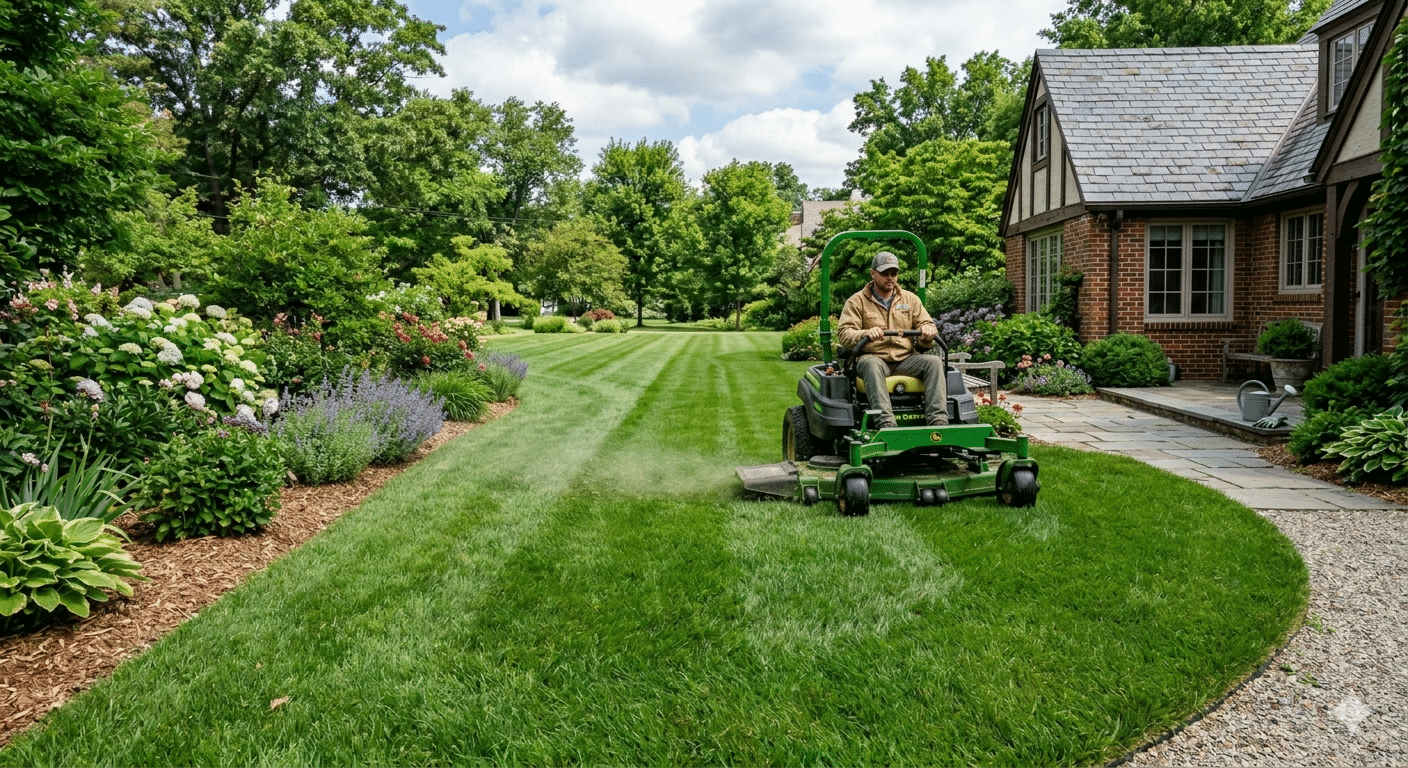
Watch for Pest and Disease Signs
South Louisiana’s warm, humid climate creates ideal conditions for lawn pests and fungal diseases. Between mowing sessions is when problems tend to develop unnoticed. A five-minute visual inspection twice a week can catch issues before they spread.
Look for these warning signs between cuts:
- Circular brown patches ranging from a few inches to several feet. This is a classic sign of brown patch fungus, especially after warm, wet nights.
- Yellowing patches that do not respond to watering. This may indicate chinch bugs, the most destructive pest for St. Augustine grass in Louisiana.
- Sections of turf that pull up easily like loose carpet. This is a sign of white grub damage to the root system.
If you spot any of these issues, address them promptly. Fungal diseases and insect infestations spread rapidly in Louisiana’s climate and can take out large sections of lawn within a single week.
Adjust Your Approach by Season
Between-mow lawn care looks different depending on the time of year. In New Orleans, where seasons are temperature-driven rather than calendar-driven, adapting your habits to the season matters.
- Spring (March to May): Apply pre-emergent weed control, begin fertilizing, and increase watering frequency as temperatures rise.
- Summer (June to August): Water in the morning, watch closely for pests and fungal disease, and spot-treat weeds as they appear.
- Fall (September to November): Gradually reduce watering frequency, apply a potassium-rich fertilizer to harden roots before winter, and keep up with fallen leaves.
- Winter (December to February): Minimal watering, skip fertilizer entirely, and apply pre-emergent in late February before spring weed pressure begins.
When Should You Call a Professional?
Most between-mow maintenance can be handled by homeowners with the right knowledge. There are situations, however, where professional lawn care delivers results that DIY cannot:
- Your lawn has persistent bare patches or thinning turf despite consistent watering and fertilization. This may require lawn aeration or overseeding.
- Weeds keep coming back despite treatment. A professional assessment identifies the weed type and applies the correct product at the right time.
- You do not have time to maintain a consistent schedule. Big Easy Grass Cutting’s residential lawn mowing and maintenance programs take care of everything between cuts.
Our team serves homeowners across New Orleans, Metairie, Kenner, Slidell, and the surrounding region. Get a free estimate today.
Frequently Asked Questions
How Often Should I Water My Lawn Between Mowing Sessions?
Water one to two times per week, delivering 1 inch of water per session. In New Orleans, account for rainfall. If you have received half an inch or more of rain in the past few days, skip your next scheduled irrigation.
Should I Water After Every Mow?
A light watering after mowing helps the grass recover from the stress of cutting, especially in summer heat. About a quarter inch is enough to refresh the blades and help the root zone stay moist while the grass heals.
What Is the Fastest Way to Green Up My Lawn Between Mowing Sessions?
A foliar iron application is the fastest way to deepen green color without stimulating excessive growth. Iron products such as iron sulfate or chelated iron can show visible results within three to five days. They do not add the nitrogen that causes grass to grow faster and need more frequent mowing.
Can I Fertilize Between Mowing Sessions?
Yes. Applying a slow-release fertilizer between mowing sessions is completely safe and beneficial during the active growing season. Avoid applying fertilizer in extreme heat above 90 degrees Fahrenheit or when rain is expected within a few hours.
How Do I Stop Weeds From Taking Over Between Mow Days?
Maintain the proper mowing height for your grass type, which is 3 to 4 inches for St. Augustine, to shade out weed seeds. Apply pre-emergent herbicide in spring and spot-treat actively growing weeds with a post-emergent product as soon as you notice them.
Is It Okay to Mow Wet Grass in New Orleans?
It is best to wait until the grass is dry before mowing. Wet mowing spreads fungal spores, causes an uneven cut, and can clog your mower deck. Given how often New Orleans receives afternoon rain, check conditions in the morning and schedule mowing for when blades have had time to dry.
How Do I Keep My Lawn Healthy in New Orleans Summer Heat?
Water deeply in the early morning, avoid fertilizing during peak heat, keep mowing height on the higher end for your grass type, and inspect regularly for pests and fungal disease. St. Augustine grass is well-suited to Louisiana summers but benefits from a consistent care routine, especially watering discipline, during July and August.
Keep Your Lawn Looking Great All Week Long
A focused 10 to 15 minutes a few times per week, combined with smart watering, consistent fertilization, and early problem detection, keeps your New Orleans lawn looking its best from one cut to the next.
If you would rather leave the between-mow care to the professionals, Big Easy Grass Cutting offers comprehensive lawn maintenance programs for homeowners across New Orleans, Metairie, Kenner, Gretna, and the greater metro area.
Call 504-910-7829 or request your free estimate online to get started.
