How Long Does Weed Control Treatment Last? What New Orleans Homeowners Should Know
Most weed control treatments last between 4 and 12 weeks, depending on whether you used a pre-emergent or post-emergent herbicide, the product’s active ingredient, and local conditions like rainfall and soil type. In a climate like New Orleans, where heat and humidity accelerate weed growth and frequent rain dilutes products faster, understanding how long your treatment will hold is the key to timing reapplications correctly.
You had your lawn treated for weeds and it looked great for a few weeks. Then the weeds came back. Sound familiar? The problem usually is not the product. It is the expectation about how long weed control actually lasts.
This guide explains what determines weed control treatment duration, what to expect from each product type in Louisiana’s climate, and when to schedule your next treatment to stay ahead of weed pressure all season.
Pre-Emergent vs. Post-Emergent: They Last Very Differently
The single biggest factor in how long your weed control treatment lasts is what type of herbicide was used. Pre-emergent and post-emergent herbicides work in completely different ways and have very different effective lifespans.
Pre-Emergent Herbicides: 3 to 6 Months of Protection
Pre-emergent herbicides work by creating a chemical barrier in the soil that prevents weed seeds from germinating. They do not kill existing weeds. They stop new ones from sprouting.
A single pre-emergent application typically provides 3 to 5 months of protection under normal conditions. In New Orleans, however, where heavy rainfall is common and soil temperatures stay high, breakdown accelerates. Effective protection may be closer to 10 to 14 weeks before a reapplication is warranted.
According to Clemson Cooperative Extension, pre-emergent herbicides applied in early spring provide the best protection against summer annual weeds like crabgrass and dollar weed, which are among the most aggressive invaders of Louisiana lawns.
Post-Emergent Herbicides: 2 to 8 Weeks of Visible Effect
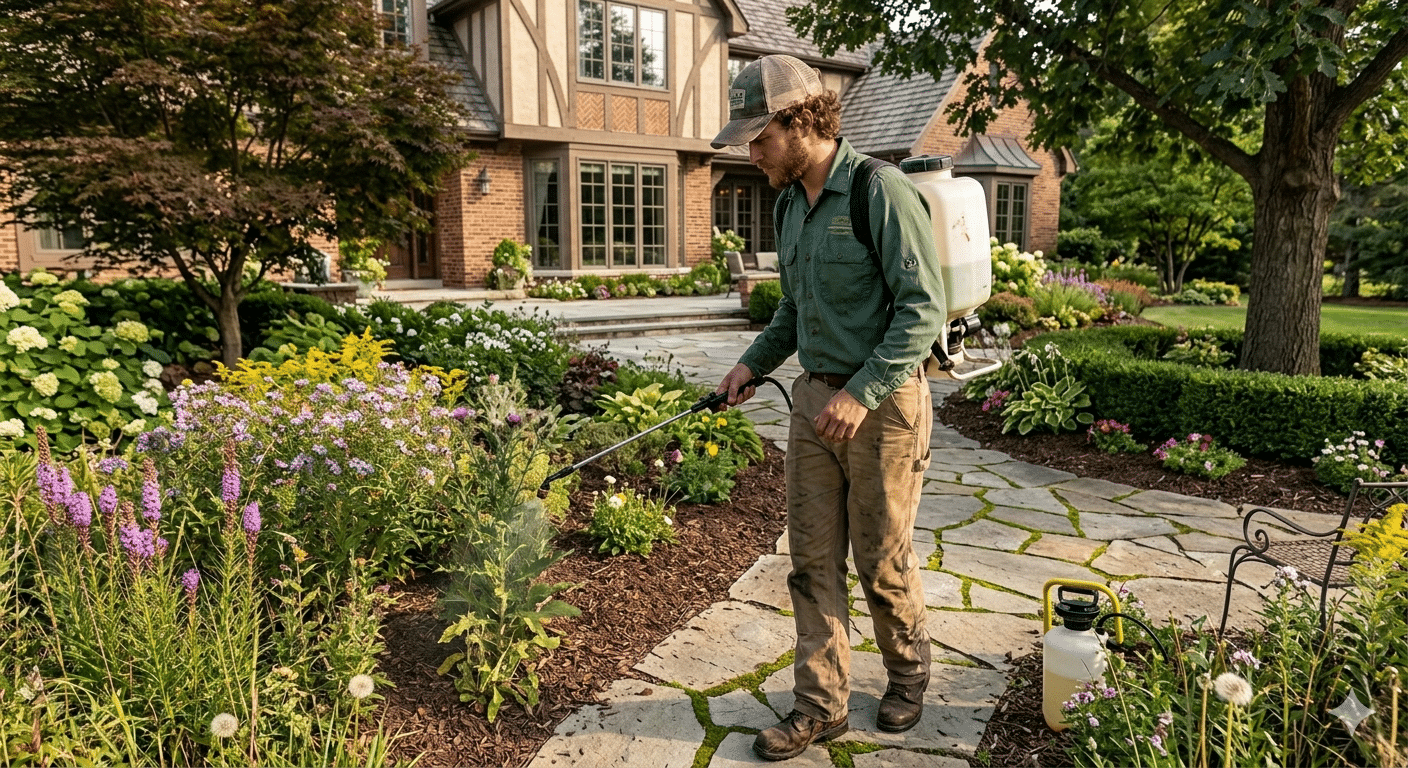
Post-emergent herbicides kill weeds that are already growing. They work either by contact, killing on touch, or systemically, by being absorbed through the plant and transported to the roots.
- Contact post-emergents work within 24 to 72 hours but only kill the above-ground parts of the weed. Perennial weeds with deep root systems often regrow within two to four weeks.
- Systemic post-emergents take seven to fourteen days to show full results but kill the entire plant including the root system, providing longer-lasting control of 4 to 8 weeks.
For persistent perennial weeds like nutsedge, which is one of the most stubborn lawn weeds in Louisiana, systemic post-emergents may need two to three applications spaced three weeks apart before the weed is fully eliminated.
What Shortens Weed Control Treatment Life in New Orleans
Heavy Rainfall Breaks Down Herbicides Faster
New Orleans receives over 60 inches of rain per year, which is among the highest of any major U.S. city. Heavy rainfall physically washes pre-emergent herbicides through the soil profile and dilutes post-emergent treatments on leaves before they can be fully absorbed.
If your lawn receives more than one inch of rain within 24 to 48 hours of a post-emergent application, the treatment may need to be reapplied. Professional lawn care providers in the area factor this into their service schedule and include follow-up visits when weather interferes.
High Soil Temperatures Accelerate Microbial Breakdown
Soil microbes break down herbicide compounds over time. This is beneficial from an environmental standpoint, but it means treatments do not last indefinitely. In South Louisiana, where soil temperatures often exceed 80 degrees Fahrenheit from May through October, microbial activity is extremely high and herbicide breakdown happens faster than in cooler climates.
A pre-emergent applied in May in New Orleans may need reapplication by late July or early August. The same product applied in cool, dry conditions might last the full five to six months listed on the label.
Weed Pressure in Louisiana Is Year-Round
Unlike northern climates where frost kills annual weeds and provides a natural weed-free window each winter, Louisiana lawns face nearly year-round weed pressure. Winter annuals like henbit and chickweed fill in when warm-season weeds go dormant. There is no season where you can let your weed control program lapse entirely.
How Often Should You Reapply Weed Control?
For most New Orleans lawns, a weed control program that works throughout the growing season looks like this:
- A pre-emergent application in late February or early March, targeting spring and summer annual weeds.
- A second pre-emergent application in late summer from August to September, targeting fall and winter annual weeds.
- Post-emergent spot treatments every three to four weeks during the active growing season as needed for breakthrough weeds.
This schedule provides the best balance of proactive protection and targeted correction without over-applying chemicals. Big Easy Grass Cutting’s weed control service follows this structured approach, calibrated to Louisiana’s specific weed pressure calendar.
Does Rain Right After Application Ruin the Treatment?
It depends on the type of product and when the rain falls.
- Pre-emergent herbicides actually need a small amount of water to activate. About a quarter inch of rain or irrigation within 14 days helps move the product into the soil where it creates the germination barrier. Heavy rain immediately after application can wash it away before it binds to soil particles.
- Post-emergent herbicides need to stay on the leaf surface for at least four to six hours to be absorbed effectively. Rain within that window reduces effectiveness, especially for contact products. Systemic products that have already been absorbed are not affected by subsequent rain.
Signs Your Weed Control Treatment Has Worn Off
Do not wait until your lawn is overrun with weeds to schedule your next treatment. These are the early signs that protection is fading:
- New weed seedlings appearing in areas that were previously weed-free.
- Actively growing weeds that have clearly established since your last treatment rather than dying back.
- It has been eight or more weeks since your last pre-emergent application during the peak growing season.
Catching these signs early and scheduling a reapplication before weed populations explode is far easier and less expensive than a full remediation treatment on a heavily infested lawn.
When Should You Call a Professional for Weed Control?
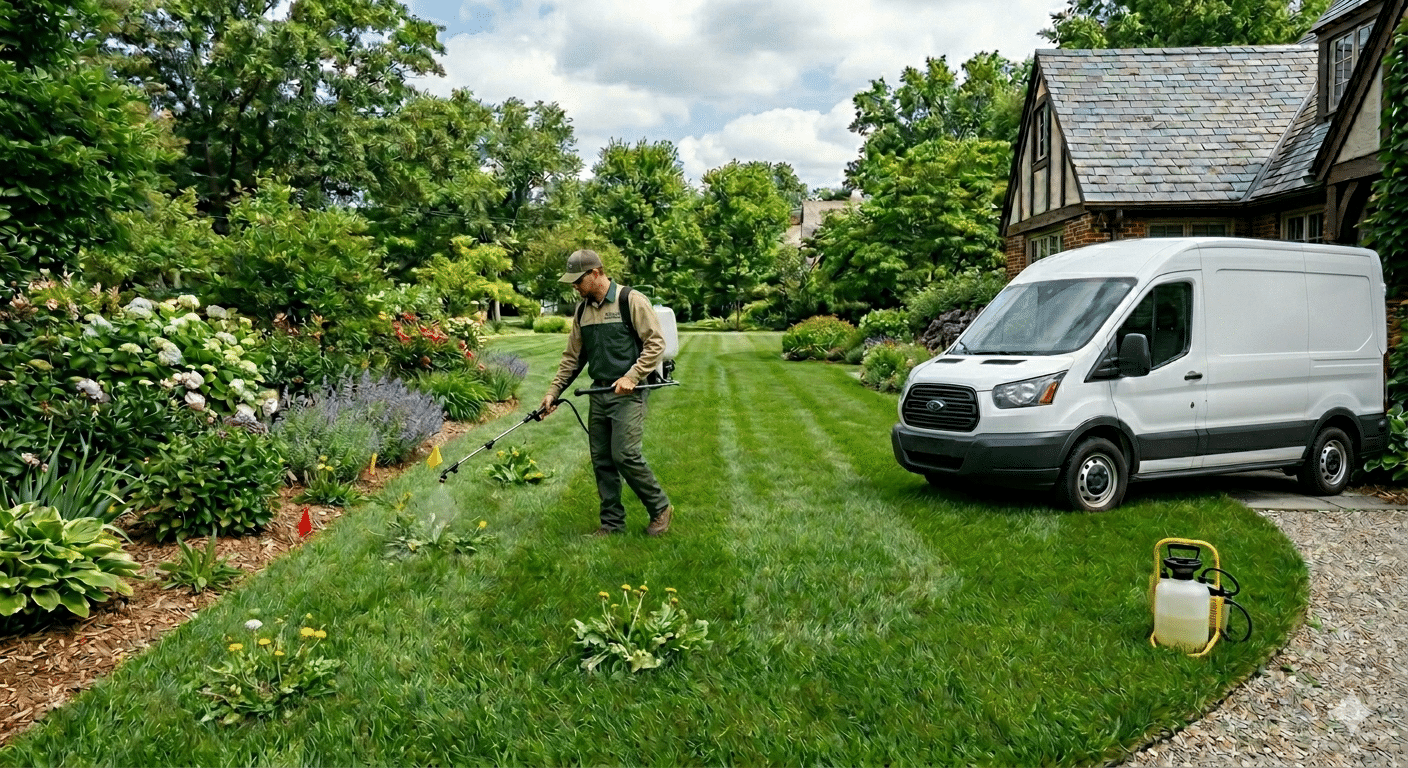
- Weeds keep returning despite treatment. A professional identifies the specific weed species and matches it to the most effective product. Many failures happen because the wrong herbicide was used for the weed type or grass type.
- You have St. Augustine grass and are unsure which products are safe. St. Augustine is sensitive to many broadleaf herbicides. Using the wrong product can damage or kill your desirable grass.
- You have nutsedge, torpedo grass, or other difficult perennial weeds. These species require specific systemic products and multiple timed applications. Big Easy Grass Cutting’s weed control team has extensive experience treating the most stubborn Louisiana lawn weeds.
- You want a proactive program, not a reactive one. A scheduled weed control program prevents problems from developing rather than treating them after the fact.
Frequently Asked Questions
How long does pre-emergent weed control last?
Most pre-emergent herbicides last 3 to 5 months under standard conditions. In New Orleans, where heat and rainfall accelerate breakdown, plan on effective protection lasting 10 to 14 weeks and schedule reapplication accordingly.
How long does post-emergent weed killer stay active in the soil?
Most post-emergent herbicides break down within two to four weeks of application. They do not create lasting soil barriers the way pre-emergents do. Their purpose is to kill existing weeds, not to prevent future germination.
Will rain wash away weed killer?
Rain within four to six hours of a post-emergent application significantly reduces effectiveness. Pre-emergent herbicides need a small amount of water to activate but can be washed away by heavy rain immediately after application. Timing applications during dry windows maximizes product longevity.
How do I know if my weed control treatment worked?
Post-emergent herbicides show results within three to fourteen days depending on the product. Weeds will first appear yellow or wilted, then die back completely. Pre-emergents show results over weeks through the absence of new weed germination rather than any visible immediate change.
Can I mow after weed control treatment?
Wait at least 24 to 48 hours after a post-emergent application before mowing. Mowing too soon physically removes the herbicide from leaf surfaces before it can be fully absorbed. For pre-emergents, mowing does not affect effectiveness since the product works in the soil.
How much does weed control service cost in New Orleans?
Professional weed control treatment in New Orleans typically costs between $50 and $150 per visit depending on lawn size and weed severity. A full-season program with scheduled pre- and post-emergent applications often ranges from $200 to $500 per year.
What weeds are hardest to control in New Orleans lawns?
Nutsedge, torpedo grass, Virginia buttonweed, and dollar weed are among the most persistent and difficult weeds in Louisiana lawns. All of these have deep root or rhizome systems that require systemic herbicides and multiple applications. Professional treatment is recommended for all four.
Is weed control safe for pets and children?
Most professional-grade herbicides are safe for pets and children once the product has fully dried on the lawn, typically two to four hours after application. Your lawn care provider should give you a specific re-entry timeframe for the products they use.
Stay Ahead of Weeds All Season Long
Weed control is not a one-time fix. It is a scheduled program built around how quickly treatments break down in Louisiana’s demanding climate. The homeowners who maintain the cleanest lawns in New Orleans apply the right product at the right time on a consistent schedule.
Big Easy Grass Cutting offers professional weed control services across New Orleans, Metairie, Kenner, Slidell, Mandeville, and surrounding communities.
Call 504-910-7829 or get a free weed control estimate online to get started.
{ "@context": "https://schema.org", "@type": "Article", "headline": "How Long Does Weed Control Treatment Last? What New Orleans Homeowners Should Know", "description": "Weed control lasts 4 to 12 weeks depending on product type. Learn what to expect in New Orleans and when to reapply.", "url": "https://www.bigeasygrasscutting.com/how-long-does-weed-control-treatment-last/", "author": { "@type": "Organization", "name": "Big Easy Grass Cutting", "url": "https://www.bigeasygrasscutting.com" }, "publisher": { "@type": "Organization", "name": "Big Easy Grass Cutting", "logo": { "@type": "ImageObject", "url": "https://www.bigeasygrasscutting.com/wp-content/uploads/2023/07/logo.png" } }, "mainEntity": { "@type": "FAQPage", "mainEntity": [ { "@type": "Question", "name": "How long does pre-emergent weed control last?", "acceptedAnswer": { "@type": "Answer", "text": "Most pre-emergent herbicides last 3 to 5 months under standard conditions. In New Orleans heat and rainfall, plan on 10 to 14 weeks of effective protection before reapplying." } }, { "@type": "Question", "name": "Will rain wash away weed killer?", "acceptedAnswer": { "@type": "Answer", "text": "Rain within four to six hours of a post-emergent application significantly reduces effectiveness. Pre-emergents need a small amount of water to activate but can be washed away by heavy rain immediately after application." } }, { "@type": "Question", "name": "How much does weed control service cost in New Orleans?", "acceptedAnswer": { "@type": "Answer", "text": "Professional weed control treatment in New Orleans typically costs between $50 and $150 per visit. A full-season program often ranges from $200 to $500 per year." } } ] } }