

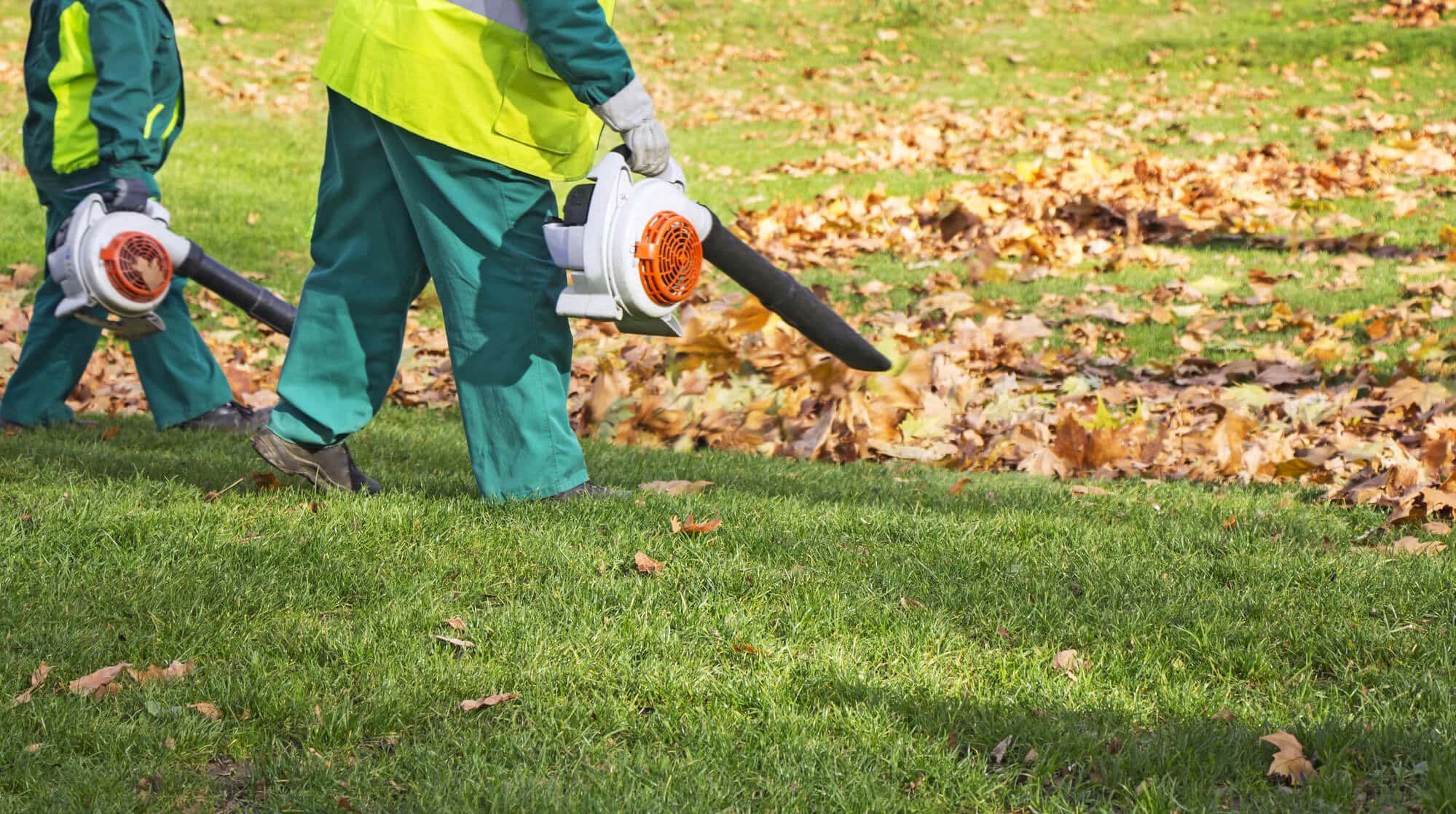

A yard cleanup is a one-time or seasonal reset of your outdoor space. It clears leaves, fallen limbs, and storm debris, cuts back overgrowth, mows and edges the lawn, and hauls the waste away. In New Orleans, yards collect debris on more than one schedule, so knowing what a cleanup covers helps you book the right work at the right time.
So what does yard cleanup include, and when does your yard actually need one? The weather calendar answers a big part of that. According to the National Hurricane Center, the Atlantic hurricane season runs from June 1 to November 30, and it peaks on September 10, with most activity between mid-August and mid-October.
That peak lands right before fall. Wind and rain from a passing system can leave limbs, leaves, and trash across a lawn that was spotless a week earlier.
At Big Easy Grass Cutting, we clean up lawns across Greater New Orleans, from overgrown yards to properties littered after a storm. Our team removes leaves and debris, trims back unruly plants and bushes, mows, edges, and disposes of everything we remove.
If your yard needs a reset before the next storm or the next season, contact us to request a free estimate.
Below, we break down each cleanup task, the times of year New Orleans yards need one, and how the city handles the yard waste a cleanup produces.
What Does a Yard Cleanup Include?
A yard cleanup includes clearing leaves, sticks, and loose debris, cutting back overgrown plants, mowing and edging the lawn, and removing the waste from the property. Some cleanups add weed control or fertilization once the ground is clear.
National cost guides describe the same core list. HomeAdvisor’s 2026 yard cleanup cost guide breaks the work into separate line items: leaf removal, hauling away debris, mowing overgrown grass, weeding, installing mulch, and hedge or tree pruning.
Our lawn cleanup service in New Orleans focuses on the tasks that get a yard back to a tidy, mowable state. Here is what each one involves.
| Cleanup Task | What It Covers | Why It Matters |
|---|---|---|
| Leaf and debris removal | Leaves, sticks, and loose debris cleared from the turf and hard surfaces | Clears the lawn so it can be mowed and checked for problems |
| Storm limb pickup | Fallen limbs and broken branches gathered after wind and rain | Hurricane season runs June 1 to November 30 |
| Mowing overgrown grass | Grass that got ahead of the schedule cut back to a manageable height | Makes the yard usable and ready for regular mowing |
| Trimming plants and bushes | Unruly shrubs and overgrowth cut back around the yard | Keeps plants off walkways and restores the shape of the yard |
| Lawn edging | Clean lines cut along sidewalks, driveways, and beds | Gives the finished lawn crisp, defined borders |
| Waste disposal | Everything removed is bagged, loaded, and hauled off the property | No piles left at the curb waiting for a collection day |
The order of those tasks matters. Debris comes off first, trimming and mowing follow, edging sharpens the lines, and haul-away closes out the job.
How Does a Professional Lawn Cleanup Work?
A professional cleanup follows a set sequence, and each stage makes the next one easier. Here is how the work breaks down on a typical yard.
Clearing Leaves, Limbs, and Storm Debris
The first pass takes everything loose off the ground. Leaves, sticks, fallen limbs, and wind-blown trash come off the turf, the beds, and the paved areas.
This step protects the equipment that comes next. The LSU AgCenter advises picking up sticks and debris that built up over winter before your first spring mow, because it extends the life of the mower blade. The same logic applies after any storm.
What happens to the leaves afterward is its own decision. Our guide on whether to mulch or remove leaves from your lawn covers that choice in detail.
Trimming, Mowing, and Edging
 With the ground clear, the overgrowth gets cut back. We trim unruly plants and bushes first, so clippings land on turf that is about to be mowed anyway.
Mowing brings grass that got ahead of the schedule back to a manageable height. Edging comes last in this stage, cutting clean lines along the sidewalk, the driveway, and the beds. After the cleanup, our lawn edging service can keep those lines sharp.
Hauling Away the Waste
A cleanup produces more material than you might expect. Bags of leaves, bundles of limbs, and piles of trimmings add up fast, even on a small city lot.
Disposal is part of our lawn cleanup, so the waste leaves the property with us. That matters in New Orleans, where the city limits how much yard waste it collects from the curb on a single collection day.
When Do New Orleans Yards Need a Cleanup?
A New Orleans yard can need a cleanup at several points in the year, because debris arrives on more than one schedule. Three windows stand out.
Spring leaf drop and the first mow. Live oaks behave differently from the trees in colder states. LSU AgCenter guidance explains that live oaks keep their leaves all year except for a short window in spring when they push out new growth. The AgCenter also notes that it is normal for a live oak to drop all of its leaves in spring, though the amount varies by tree and by year.
Spring is also when the season’s first mow happens. The LSU AgCenter’s spring lawn care guidance notes that warm-season turf is not fully awake until the soil reaches at least 60 F. It recommends clearing winter debris first and setting the first mow a little lower than normal to remove old, decaying shoots that can harbor disease.
Hurricane season. The National Hurricane Center puts the season peak on September 10, with most activity from mid-August to mid-October. A storm cleanup focuses on limbs, branches, and scattered debris, and it should happen before the grass underneath starts to suffer.
Fall slowdown. A fall yard cleanup looks different here than in the North. The LSU AgCenter notes that warm-season grasses such as St. Augustine, centipede, Bermuda, and zoysia slow down as the weather cools. Most will be completely or partially dormant by mid-to-late November or December, and St. Augustine may not go fully dormant in a mild South Louisiana winter.
That slowdown shapes what a fall cleanup should include. LSU advises against filling, aerating, or dethatching while the turf is slowing down, so a fall cleanup should clear debris and leaves without tearing up the grass. A clear lawn also makes it easier to spot brown patch, a fungus LSU says shows up in St. Augustine during cooler, wetter months.
How Do You Get Rid of Yard Waste in New Orleans?
Getting the debris off the lawn is half the job. The other half is getting it off the property, and in Orleans Parish the city has specific rules for that.
Curbside Yard Waste Limits
The City of New Orleans publishes its curbside yard waste rules on its trash collection page. Yard waste means fewer than 6 bags of leaves, weeds, grass, and small clippings, with each bag weighing 50 pounds or less.
Tree limbs follow a similar limit. The city takes fewer than 6 bundles of small limbs, each bundle under 4 feet long, 12 inches in diameter, and 50 pounds. Yard waste goes next to your cart on your collection day, and putting it out more than 24 hours early can bring a fine.
Other parishes in the metro set their own collection rules, so check with your parish if you live outside Orleans.
Storm Debris and Drop-Off Sites
After a storm, the rules shift. According to the city’s storm debris page, city contractors pick up certain kinds of debris curbside, and residents can call 311 to request debris pickup.
The city also lists three drop-off sites that accept debris, and fees apply. Dumping debris on neutral grounds or in vacant lots is illegal, and the city says it will enforce that.
When a Crew With Haul-Away Makes Sense
A full cleanup on a yard with mature trees or heavy storm damage can produce more than the curbside limits allow on one collection day. Waiting for multiple collection days leaves bags and bundles sitting in the yard.
That is where a cleanup with disposal included saves time. Once the yard is reset, regular residential lawn mowing keeps clippings and overgrowth from building back up between seasons.
Where to Start With Your Lawn Cleanup
New Orleans yards take debris from spring oak leaf drop, from storms during a hurricane season that peaks in September, and from the slowdown that comes as the grass heads toward dormancy. Each of those windows leaves the lawn harder to mow and harder to keep healthy.
The easiest place to start is with the season you are in right now. Walk the yard, note the leaves, limbs, and overgrown spots, and decide whether the waste will fit within the city’s curbside limits.
At Big Easy Grass Cutting, we handle the full cleanup, from debris removal and trimming to mowing, edging, and hauling everything away. Tell us what your yard looks like, and we will put together a free estimate. Call us today at 504-910-7829.
Frequently Asked Questions
What Is Included in Yard Clean Up?
A yard cleanup includes removing leaves, sticks, and loose debris, trimming overgrown plants and bushes, mowing, edging, and disposing of the waste. National cost guides such as HomeAdvisor also list weeding, mulch installation, and hedge or tree pruning as common add-on line items. Our lawn cleanup covers the core reset: leaf and debris removal, trimming, mowing, edging, and haul-away, with weed control or fertilization available as additional services. The exact scope depends on the condition of your yard and what you want it to look like when the crew leaves.
What Is Yard Clean Up?
Yard cleanup is a focused service that brings a neglected or debris-covered yard back to a clean, maintainable state. It differs from routine mowing because it deals with the buildup that regular visits do not cover, such as piles of leaves, fallen limbs, overgrown shrubs, and ragged edges. A cleanup often lines up with a change of season or the days after a storm. From there, a routine care schedule handles the week-to-week upkeep.
What Is a Fall Yard Cleanup?
A fall yard cleanup clears leaves, sticks, and debris from the lawn as the growing season winds down. In South Louisiana, it also works around the grass going dormant. The LSU AgCenter notes that most warm-season grasses are completely or partially dormant by mid-to-late November or December, and it advises against filling, aerating, or dethatching while the turf slows down. A fall cleanup here should clear the surface, trim back overgrowth, and haul debris away without disturbing the grass. HomeAdvisor notes that fall cleanups tend to cost more than spring cleanups because of heavier leaf volume.
What Does a Spring Yard Clean Up Include?
A spring yard cleanup includes picking up sticks and debris that built up over winter, clearing fallen leaves, trimming overgrowth, and making the first mow of the season. The LSU AgCenter recommends picking up sticks before that first mow to extend the life of the mower blade. It also suggests setting the first mow slightly lower than normal to remove old, decaying shoots that can harbor disease. In New Orleans, spring cleanup often includes a round of live oak leaves, since LSU notes it is normal for live oaks to drop their leaves in spring.
What Does Lawn Maintenance Include?
Lawn maintenance is the ongoing care that keeps a yard healthy between cleanups. It usually includes regular mowing and edging, and it can extend to weed control, fertilization, aeration, and irrigation checks depending on the lawn. A cleanup is a one-time reset, while maintenance is the schedule that follows it. We offer residential mowing, lawn edging, weed control, fertilization, aeration, overseeding, and irrigation system maintenance, so a cleaned-up yard can move straight onto a regular plan.
When Can I Do Yard Cleanup?
You can do a yard cleanup any time the ground is workable, but a few windows make the most sense in New Orleans. Spring cleanup before the first mow clears winter debris and live oak leaves. A storm cleanup after wind and rain matters most during hurricane season, which runs from June 1 to November 30 and peaks on September 10. Fall cleanup clears leaves as warm-season grasses slow down. If you plan to use city curbside pickup in Orleans Parish, set yard waste out no more than 24 hours before your collection day to avoid a fine.
Is Lawn Care Seasonal?
Yes, lawn care in South Louisiana follows the seasons, even though winters are mild. Warm-season grasses such as St. Augustine, centipede, Bermuda, and zoysia grow actively through the warm months and slow down as the weather cools. The LSU AgCenter notes that most are fully or partially dormant by mid-to-late November or December, and that turf is not fully awake in spring until the soil reaches at least 60 F. That cycle shapes when to mow, when to clean up, and which jobs to avoid. Cleanup needs follow a seasonal pattern too, from spring leaf drop to storm season and the fall slowdown.
